How to check the VPN server address on Android devices or PC?
Last updated: 2026-09-11
Welcome to Blackview (Well-known Chinese brand of such as eSIM rugged phone, Android 16 rugged phone, and best mini pc for home theatre, etc) blog. Hope the guide helps.
When you connect to a VPN, your device normally communicates with the internet through a VPN server rather than directly through your regular internet connection. This means websites and online services may see the VPN server's public IP address instead of the IP address assigned by your internet service provider. Checking your VPN server address can be useful when troubleshooting a VPN connection, verifying that the VPN is actually working, checking whether your apparent location has changed, or confirming which server you are currently connected to.
There are several different addresses you may encounter when checking a VPN connection, including your device's local IP address, your VPN server's address, and the public IP address visible to websites. These addresses are not necessarily the same. The easiest way to verify your VPN server from an Android device or PC is usually to connect to the VPN first and then check your public IP address using a reputable IP-checking service. You can also examine the VPN application's connection information or your operating system's network settings for additional technical details.
- Read also: How to change region on Android?
- How to change IP address on my phone for free?
- Do VPNs improve internet speed?
- The advantages and risks of using a VPN
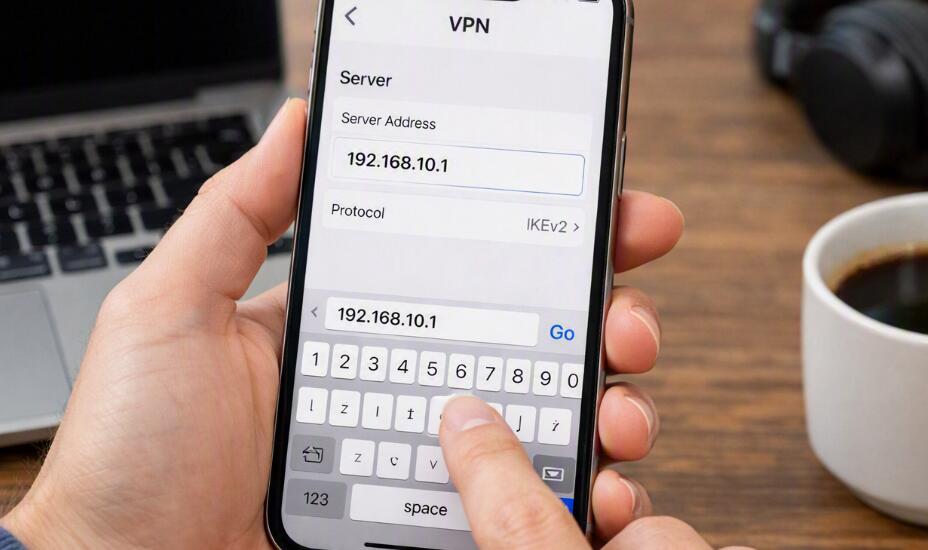
Check the VPN server address on an Android device
On Android, the exact menu names can vary between manufacturers and Android versions. If you are using a commercial VPN application, the application itself is usually the easiest place to identify the server or location you selected. If you need to verify the public address actually being presented to websites, use a browser-based IP-checking service after connecting to the VPN.
Using your VPN application
Follow these steps to find the server information provided by your VPN app:
- Open your VPN application on the Android device.
- Connect to the VPN server you want to use.
- Wait until the application shows that the connection is active.
- Look for information such as the connected location, server name, server number, or connection details.
- If the application provides an IP address or server information panel, open it to view the available details.
- Record the displayed information if you are troubleshooting or comparing different VPN servers.
Keep in mind that a VPN app may display a server hostname or internal server identifier instead of the public IP address. If you specifically want to know the IP address that websites can see, open your Android browser while the VPN remains connected and use an online IP-checking service. The displayed public IP should normally differ from the address you receive when the VPN is disconnected.
Check the VPN server address on a PC
On Windows, macOS, and other desktop operating systems, you can check VPN information through the VPN application, the operating system's network settings, or an external IP-checking website. For most users, checking the public IP before and after connecting is the simplest method because it directly shows whether the internet connection is being routed through a different public address.
Using the VPN application
Use the following steps when your VPN provider supplies a dedicated desktop application:
- Launch the VPN application on your PC.
- Choose a VPN server or location.
- Click the button to establish the VPN connection.
- Wait until the application confirms that the connection is active.
- Open the connection details, server information, or status section if available.
- Check for the server name, server location, hostname, or IP address.
- Keep the VPN connected while verifying the public IP through a web browser.
If you use a VPN configured directly through Windows or macOS rather than through a third-party application, open the operating system's network settings and inspect the active VPN connection. You may see a VPN server hostname or related connection information. However, this does not always correspond directly to the public IP address that websites see, so an external IP check is useful for confirmation.
Public IP address vs. VPN server address
One of the most common sources of confusion is the difference between a VPN server's technical address and the public IP address associated with the VPN connection. A VPN provider can operate many servers, and each server can have multiple IP addresses. The application might show a server name such as a city or server number, while an IP-checking website reports the public IP currently assigned to your connection.
For ordinary troubleshooting, the public IP is often the most important value. Disconnect from the VPN and check your public IP. Then reconnect to the VPN and perform the same check. If the public IP changes, your internet traffic is likely being presented to websites through a different public address.
How to verify that the VPN is working
Checking an address is only one part of verifying a VPN connection. A reliable test should compare your connection before and after the VPN is enabled. This can reveal whether the VPN changes your apparent public IP and whether the selected server location is being reflected correctly.
- Check your public IP while the VPN is disconnected.
- Connect to the VPN and wait for the connection to stabilize.
- Check the public IP again using the same method.
- Compare the two addresses.
- Check whether the reported country or general location matches the VPN server you selected.
If the address remains unchanged, the VPN may not be routing your internet traffic as expected, or the VPN service may use a configuration that does not produce the result you anticipated. In such cases, review the VPN application's connection status and settings before assuming that the service has failed.
Why the displayed VPN location may differ
A VPN server's physical location and its IP geolocation are not always identical. An IP address can be registered to a company in one region while the actual server infrastructure is located elsewhere. VPN providers may also use virtual server locations, where an advertised location does not necessarily correspond to a physical server in that exact city.
For this reason, an IP-checking website may report a city or region that differs from the location selected in your VPN application. A small discrepancy does not automatically mean that the VPN is malfunctioning. When location accuracy matters, compare information from more than one reputable IP-geolocation source and consult your VPN provider's server documentation.
What to do if your IP address does not change
If your public IP remains the same after connecting to a VPN, first make sure the VPN application reports a successful connection. Try disconnecting and reconnecting, switching to another VPN server, and checking whether split tunneling is enabled. Split tunneling can intentionally allow selected applications or websites to bypass the VPN.
Also check whether you are using a browser or application with special networking settings. Some services can use independent network paths, and DNS behavior can provide additional clues when diagnosing a VPN connection. If the problem persists across multiple servers, consult the VPN provider's troubleshooting documentation or support service.
Protecting your privacy while checking VPN information
When checking your public IP, remember that an IP address is network-related information that can provide approximate geographic or service-provider information. Avoid entering unnecessary personal details into unfamiliar IP-checking websites. You generally do not need to provide your name, phone number, email address, or account password simply to determine your public IP.
Checking your VPN server address on Android or PC is relatively straightforward once you understand the distinction between the VPN application's server information and the public IP address visible to websites. The VPN application can tell you which server or location you selected, while an IP-checking service can help confirm which public address your connection is presenting to the internet.
The most reliable approach is to compare your public IP before and after connecting to the VPN and then compare the resulting location with the server you selected. If the information does not match your expectations, investigate settings such as split tunneling, try another server, and check your VPN provider's documentation. By combining these checks, you can quickly determine whether your Android or PC is using the VPN connection as intended.